
Buying property in Rome and Lazio, with your eyes open.
Rome is a city you buy with your head as much as your heart: historic palazzi, micro-location price swings and centuries of building history behind every facade. Beyond it, Lazio's lakes and hill towns offer countryside within reach of the capital, each with its own checklist.
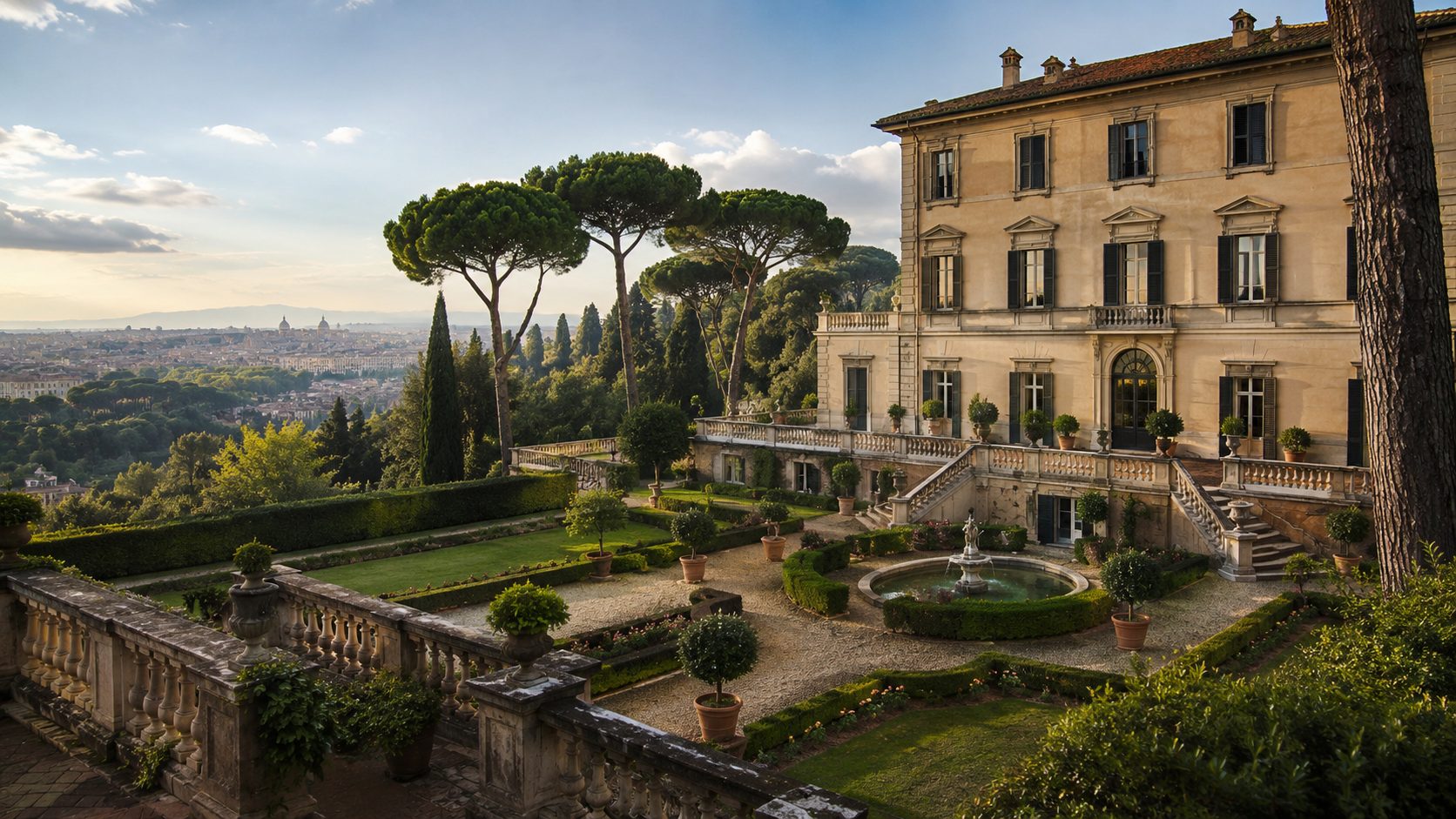
The Rome and Lazio risks
- Building condition behind the facade: historic palazzi hide damp, wiring, plumbing and structural issues a survey must catch.
- Condominio in historic buildings: shared costs, restoration obligations and rules that bind you.
- Abusi and condono history: past unpermitted works and amnesties that need untangling in the documents.
- ZTL and historic-centre rules: access, parking and what you can change in a protected zone.
- Rental and CIN rules if short-letting is the plan, plus sharp micro-location price differences.
City apartment or Lazio countryside?
A central Rome apartment and a farmhouse near Bracciano or in the Sabina are completely different buys and budgets. We help you read the true condition, costs and rules for either before you commit.
Living in Rome & Lazio, not just visiting
Before it is a property decision, a move is a decision about daily life. These are the questions we help you answer about Rome & Lazio honestly and year-round, not just how it looks in summer:
- Off-season: Rome itself lives year-round, while the hinterland lakes and hill towns are much quieter out of season.
- Access: Rome Fiumicino offers direct flights to the US, with Ciampino handy for Europe.
- Driving: Rome's ZTL and traffic make a car a liability in the city, though it is essential in the Sabina, the lakes and the countryside.
- Services: Rome has excellent hospitals and international schools; Lazio's smaller towns have the usual rural limits.
- Full-time vs second home: Rome suits urban year-round life; Bracciano, the Castelli Romani and the Viterbo area are popular for a calmer base or second home.
Still deciding where to live? A free Scalini assessment takes you by the hand: a step-by-step, custom Italy Move Plan and a shortlist of the places that truly fit, so you settle in the right spot before you buy.
Frequently asked questions
Can foreigners buy property in Rome and Lazio?
Yes. US and UK buyers can purchase in Rome and across Lazio without a general restriction.
What should I check when buying an apartment in central Rome?
Buying in a historic building usually means buying into a condominio, so read the regulation (regolamento) and recent meeting minutes for running costs, planned works and any limits on short lets. Historic-centre buildings also carry heritage constraints (vincolo) on what you can change.
Is buying in the Lazio countryside different?
Yes. Areas like Sabina and Tuscia offer farmhouses at lower prices, where the rural checklist applies: legal access, utilities, catasto accuracy and planning history. The questions differ from a city apartment, even within the same region.
Are short-term lets restricted in Rome?
Increasingly regulated. National registration (the CIN code), local rules and tax treatment all affect short-let income, and Rome applies particular scrutiny. Confirm the current rules before banking on rental returns.
Found a property? Let's check it before you commit.
Share the listing and we'll tell you which level of check fits, from a 390 euro Property Check upward.
 ScaliniPRIVATE RELOCATION OFFICE