
Buying property in Le Marche, with your eyes open.
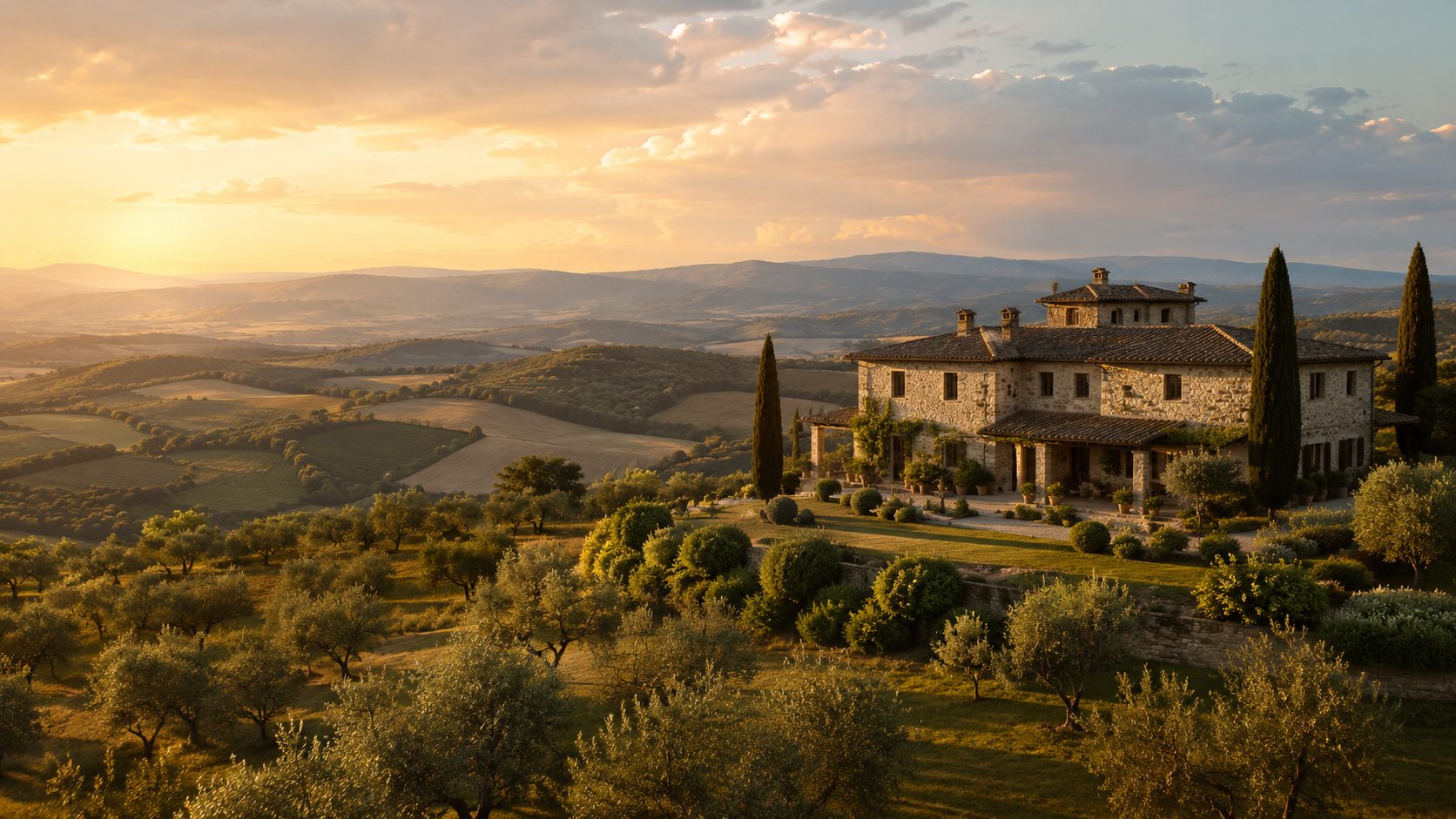
Le Marche runs from the Apennines to the Adriatic and is regularly billed as the "new Tuscany": similar landscapes, lower prices, fewer crowds. The label oversells and undersells at once. Here's the honest version, and what to check.
The Le Marche-specific risks
- Seismic zone: the 2016 central-Italy earthquakes hit parts of the region, so structural history and repairs need verifying.
- Rural restoration: farmhouses with the familiar budget and trades questions of inland Italy.
- Access and services: lovely isolation that can mean long drives and quiet winters.
- Agriturismo and rental rules, if income is part of the plan.
- Off-season reality away from the summer coast.
Is it really the 'new Tuscany'?
You get comparable scenery and better value, with less tourism and less international infrastructure. That's the appeal and the caveat. We give you the unromantic read on services, access and resale before you buy the postcard.
Living in Le Marche, not just visiting
Before it is a property decision, a move is a decision about daily life. These are the questions we help you answer about Le Marche honestly and year-round, not just how it looks in summer:
- Off-season: cold and quiet in the hills through winter, with a gentler Adriatic coast.
- Access: Ancona (Falconara) is the regional airport, with Bologna and Rome as alternatives.
- Driving: a car is essential across the hilly interior.
- Services: Ancona and the coastal towns have the fullest services and hospitals.
- Full-time vs second home: Ancona, Ascoli Piceno and coastal towns suit full-time living; inland hill villages lean second-home.
Still deciding where to live? A free Scalini assessment takes you by the hand: a step-by-step, custom Italy Move Plan and a shortlist of the places that truly fit, so you settle in the right spot before you buy.
Frequently asked questions
Can foreigners buy property in Le Marche?
Yes. US and UK buyers can purchase in Le Marche without a general restriction.
How does Le Marche compare to Tuscany and Umbria?
Similar rolling countryside and stone farmhouses (casolari), usually at lower prices and with fewer foreign buyers. The due-diligence checklist is the same: planning history, catasto accuracy, and whether land and access are included.
Are Le Marche country houses on mains services?
Often not. Rural properties may rely on wells, septic systems and private tracks. Confirm water, drainage, electricity and a registered right of way before you rely on them.
Is there seismic risk in Le Marche?
Parts of the region are seismic and were affected by the 2016 central Italy earthquakes. Check structural condition and any repair history, particularly on older buildings, alongside habitability status.
Found a property? Let's check it before you commit.
Share the listing and we'll tell you which level of check fits, from a 390 euro Property Check upward.
 ScaliniPRIVATE RELOCATION OFFICE