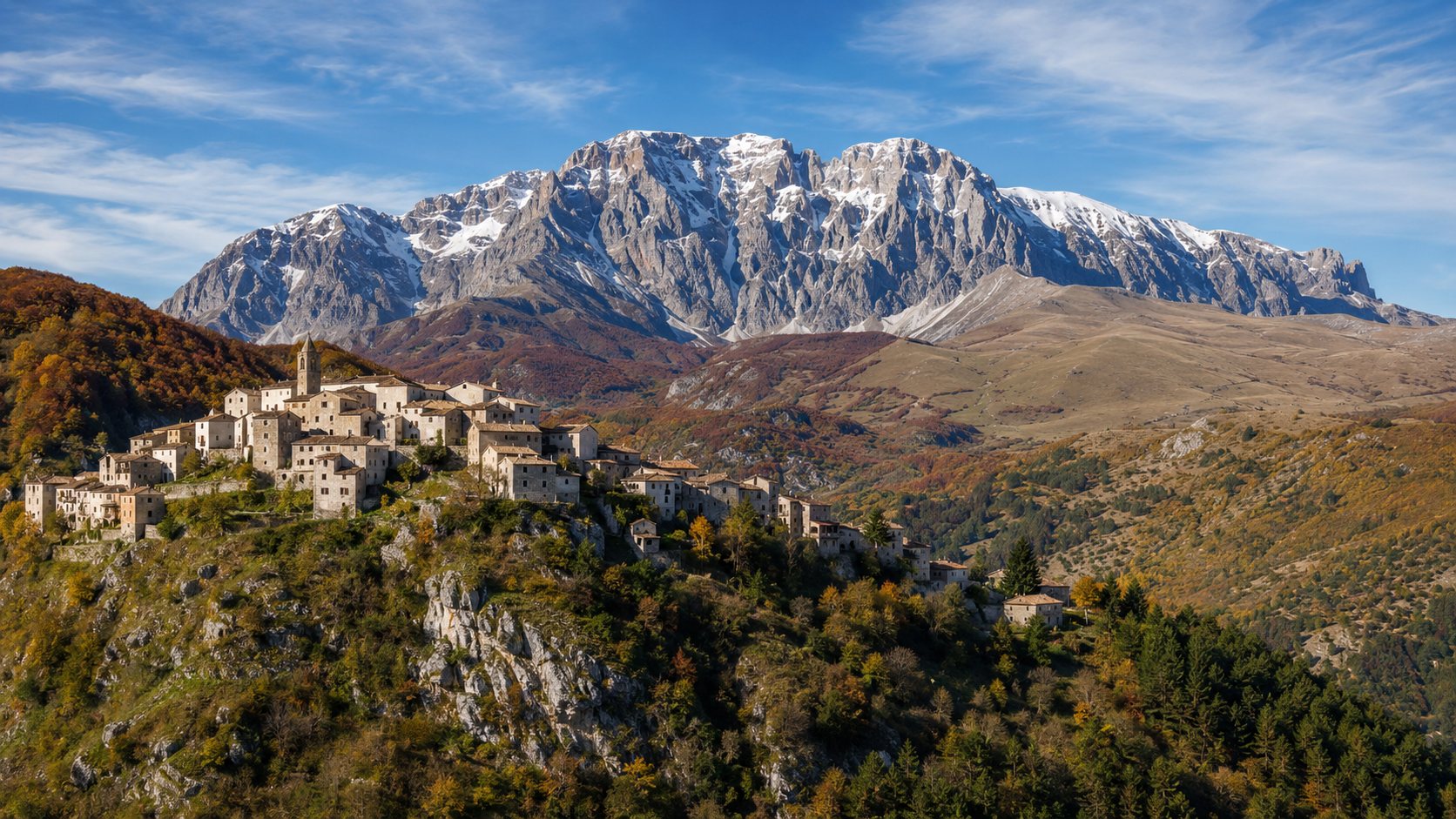
Abruzzo is one of the most talked-about regions for affordable property in Italy, and for good reason: you get mountains and sea within an hour of each other, three large protected parks, and asking prices that would buy you a cupboard further north. Our guide to buying property in Abruzzo sets out the broad picture. This article goes deeper into what those low prices really buy, and where the quiet risks sit, so you can go in with your eyes open.
WHAT TO CHECK FIRST
- Seismic zone: Abruzzo sits largely in the two highest Italian seismic classifications; confirm the zone and any structural reinforcement.
- Agibilità: a valid certificate of habitability should exist and match the building as it stands today.
- Repair history: ask whether the property was damaged in past quakes and how, and by whom, it was repaired.
- Catasto match: the land registry plans should reflect the real layout; extra rooms and outbuildings often do not appear.
- Park constraints: check whether the property falls inside or beside a national or regional park, which limits works and use.
- Access and utilities: confirm a legal right of way and connection to water, power and drainage; rural plots guarantee none of these.
Why Abruzzo is cheap, and what that does not buy
Abruzzo is consistently among Italy's most affordable regions for buyers. The reasons are structural rather than a passing dip: decades of rural depopulation, an ageing inland population, and villages with more houses than residents have left a large stock of stone homes changing hands for very modest sums. A habitable village house, or a ruin to restore, can cost a fraction of equivalent property in Tuscany or Umbria.
What the low price does not buy is a property that is necessarily ready to live in, fully documented, or free of restriction. Cheap stock is cheap partly because it has been empty for years, sits in a seismic zone, or carries paperwork that no longer matches the building. The headline figure is only the start of the sum. Survey, structural works, bringing utilities up to standard and resolving planning irregularities can dwarf the purchase price, and they are easy to underestimate from abroad. This is precisely where an independent buyer-side check earns its place.
Seismic risk: the single most important question
Abruzzo is one of the most seismically active parts of Italy. The 2009 L'Aquila earthquake killed hundreds of people and damaged or destroyed a large part of the historic centre, and the reconstruction shaped how the region thinks about building to this day. Much of the region falls within the two highest seismic classifications, so this is not a remote concern: it is central to any purchase here.
For an existing building, the questions are practical. Was it damaged in 2009 or in earlier events? What repairs were carried out, were they declared, and is there a valid agibilità reflecting the current structural state? Cosmetic repairs that hide structural cracks are a real risk in cheap stock. For a rebuild or major renovation, Italian anti-seismic norms set requirements for foundations, ties and reinforcement that add cost and require a qualified structural engineer. None of this should put you off, but it should be priced in honestly and assessed by someone independent of the seller. A surveyor or engineer drawn from a trusted network of independent Italian professionals can tell you what a building has actually been through.
The parks: beauty with rules attached
Abruzzo is sometimes called the greenest region in Europe, and a large share of its land is protected. The Gran Sasso and Monti della Laga National Park, the Majella National Park, and the historic Abruzzo, Lazio and Molise National Park together cover much of the interior, alongside regional parks and reserves. The landscape is the reason many people buy here.
Protection brings rules. Inside or close to a park, building, extending, changing use, or even significant landscaping can require additional consents from the park authority on top of the normal commune permissions. Some zones are heavily restricted; what you may do to a ruin in a protected area can be far narrower than the same project outside one. If your plan depends on enlarging a footprint, adding a pool, or running a holiday let, confirm what the protected status allows before you commit, not after.
Rural utilities and legal access are not guaranteed
A stone house at the end of a track is the Abruzzo dream, and also where the most expensive surprises hide. Mains water, electricity and drainage are not a given in rural areas; some properties rely on wells, springs, septic systems or shared connections, and bringing services to an isolated plot can cost a great deal. Just as important is access. The right to reach your property across a neighbour's land may rest on a servitù di passaggio, a registered right of way, or on nothing more than long habit. Verify that legal access exists and is recorded, because a friendly arrangement can evaporate when land changes hands.
Catasto mismatches and unpermitted work
Older rural buildings in Abruzzo frequently differ from their official records. A veranda enclosed decades ago, an outbuilding turned into living space, or a barn quietly converted may never have been declared. When the catasto plans do not match what stands on the ground, you are looking at possible abuso edilizio, unpermitted work that can block a sale, a mortgage or a future renovation until it is regularised. Some irregularities can be cured through a sanatoria, a formal amnesty process, but only where the work qualifies and the fees and technical reports are paid for. Others cannot be cured at all. Establishing which situation you are in is essential, and it is the kind of due diligence that pays for itself. If you are buying a ruin to rebuild, the recorded state of the building is the foundation of your whole project.
Mountains versus coast
Abruzzo is really two regions in one. Inland, the Apennine villages around L'Aquila, the Gran Sasso and the Majella offer the cheapest stone houses, deep quiet, real winters and a slower restoration market. On the Adriatic, the coastal strip through the provinces of Chieti and Teramo, with towns and resorts along the seafront, is busier, warmer in feel and generally more expensive, with a stronger rental season. Many buyers are torn between the two. Be honest about how you will actually use the place: a remote mountain ruin and a coastal apartment are very different commitments in cost, upkeep and how often you will realistically be there.
Getting there
Access is better than Abruzzo's quiet reputation suggests. Pescara airport on the coast handles a range of European routes, and Rome is roughly two hours away by road or coach through the mountains, which puts a major international hub within reach of much of the region. Inland villages will always involve a drive, and winter mountain roads demand respect, but the region is far from cut off. For many US and UK buyers, the combination of a regional airport and a straightforward run from Rome is part of the appeal.
Frequently asked questions
Is it safe to buy property in a seismic zone like Abruzzo?
People live well across Abruzzo, and a sound building with proper anti-seismic work behind it is a reasonable home. The point is not to avoid the region but to understand each specific building: its construction, its history of damage and repair, and whether it carries a valid agibilità. That assessment should come from an independent engineer or surveyor, not from the seller.
Can I rebuild or extend a ruin inside a national park?
Sometimes, but with extra layers of consent and often tighter limits than outside protected land. The park authority may have its own rules on footprint, materials, use and landscaping, sitting on top of the commune's planning regime. Confirm in writing what is permitted for your specific plot before you buy, because the answer can change the whole project.
Why is so much Abruzzo property so cheap?
Long-term rural depopulation has left many inland villages with more houses than people, which holds prices down. Low asking figures are real, but they often reflect properties that need structural work, updated utilities or planning regularisation. The purchase price is the beginning of the budget, not the end of it.
Sources & further reading